






Table of Contents
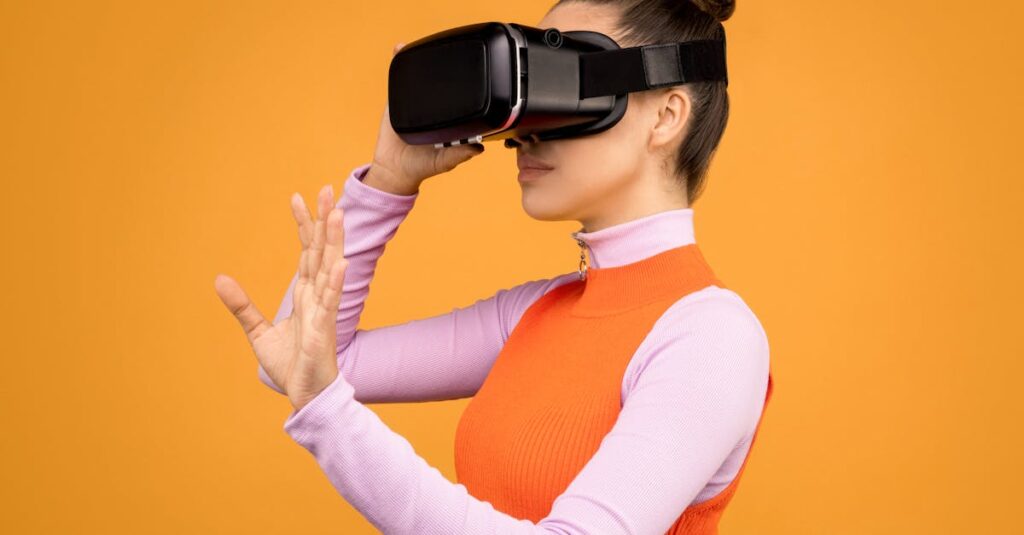
ToggleIn a world where hard hats meet high-tech, virtual and augmented reality are shaking up the construction industry like a jackhammer on a Monday morning. Gone are the days of squinting at blueprints and hoping for the best. Now, workers can don sleek VR headsets and step into their projects before a single brick is laid. Imagine walking through a building that exists only in the digital realm—it’s like a sneak peek into the future without the risk of tripping over a stray tool.
Overview of Virtual and Augmented Reality in Construction
Virtual and augmented reality technologies enhance construction projects by offering immersive experiences. Users can engage with 3D models to gain deeper insights into building designs. Augmented reality overlays digital information onto real-world environments, allowing construction teams to visualize elements on-site.
These technologies streamline communication across various stakeholders, including architects, engineers, and contractors. Real-time updates ensure everyone stays informed about changes, improving project collaboration. Projects benefit from identifying discrepancies early in the design phase.
Training workers becomes more effective with virtual reality simulations, which offer a safe environment for practicing skills. Employees experience realistic scenarios without the risks associated with live construction environments. For example, VR can simulate heights and safety protocols, enhancing worker preparedness.
Cost efficiency improves as a result of these innovations. By detecting design flaws before physical construction begins, companies can reduce costly modifications later. The visual clarity provided through VR and AR also aids in gaining stakeholder approval, expediting project timelines.
Future trends suggest an increasing integration of these technologies. Construction companies are likely to adopt VR and AR for job site management and project monitoring. As these technologies evolve, their potential impact on efficiency and safety within the industry continues to grow.
Benefits of Virtual and Augmented Reality
Virtual and augmented reality offer significant advantages in the construction industry. These technologies streamline processes, boost efficiency, and enhance overall project outcomes.
Enhanced Visualization and Design
Enhanced design capabilities emerge through virtual and augmented reality. 3D models allow teams to visualize projects in a realistic manner. Users navigate virtual spaces that reveal intricate details about building designs. Increased clarity helps identify potential flaws before starting construction. Teams easily make modifications, saving time and reducing costs. Experiences become immersive and engaging with virtual walkthroughs. This level of immersion facilitates stakeholder understanding and acceptance. Consequently, approval processes speed up.
Improved Collaboration and Communication
Improved communication channels develop with the integration of virtual and augmented reality. Teams access real-time data overlays that keep everyone informed. Architects, engineers, and contractors gain insights into project developments instantly. Discrepancies become apparent early, facilitating quick resolutions. Visual tools enhance presentations during meetings, ensuring everyone shares the same vision. Collaboration strengthens when team members can interact with the design virtually. As a result, projects progress smoothly, with fewer misunderstandings or delays. Overall, this technology fosters a cohesive working environment that drives success.
Applications in Construction Projects
Virtual and augmented reality play vital roles in enhancing various aspects of construction projects, streamlining processes while increasing overall efficiency. These technologies offer transformative benefits across multiple stages of construction.
Design and Planning Stages
Visualizing designs in three dimensions revolutionizes the planning phase. Architects and engineers create detailed 3D models that allow stakeholders to experience proposed designs immersively. Changes can occur in real time, significantly reducing the time spent on revisions. Virtual reality assists in presenting concepts clearly to clients, ensuring everyone comprehends the vision. Collaboration occurs seamlessly, enabling teams to identify potential issues before moving to the next phase.
Training and Safety Simulations
Training new workers applies innovative techniques through immersive simulations. Virtual reality environments mimic real construction sites, providing hands-on experience without risk. This training covers safety protocols, equipment operation, and emergency procedures, effectively preparing workers for real-world challenges. Even seasoned professionals benefit, refining their skills with advanced scenarios that account for dynamic job site conditions. Simulated experiences foster a culture of safety by reinforcing the importance of precautionary measures.
On-Site Project Management
Real-time updates enhance efficiency in on-site project management. Augmented reality overlays crucial information on the construction environment, allowing teams to access project details instantly. Visualizing site layouts helps workers understand task requirements better, reducing errors and rework. Collaboration accelerates with instant feedback channels, enabling quick decisions on site modifications. Digital blueprints accessible through AR ensure that all team members remain informed, ultimately improving workflow and coherence among various stakeholders.
Challenges and Limitations
Despite the potential advantages of virtual and augmented reality in construction, several challenges persist.
Technology Adoption Barriers
Resistance to change often hinders the adoption of VR and AR technologies in construction. Companies frequently face difficulties with employee training and overcoming skepticism toward new tools. For many, the lack of a clear understanding of the technology’s benefits can slow down implementation. Additionally, industries steeped in traditional practices may exhibit reluctance to shift toward digital solutions. Addressing these barriers requires effective communication and demonstrable benefits.
Cost Considerations
Initial investment costs for VR and AR technologies can deter construction firms, particularly smaller companies. Hardware and software costs, alongside ongoing maintenance expenses, stress company budgets. Although long-term savings from decreased project modifications may offset these initial costs, many companies hesitate to invest upfront. Financial planning that includes detailed cost-benefit analyses often aids in overcoming these concerns.
Integration with Existing Systems
Integrating VR and AR with legacy systems presents challenges in data compatibility and workflow alignment. Existing software platforms may not seamlessly support new technologies, which can lead to disruptions. Construction firms may face difficulties ensuring data consistency between systems, complicating project management. Involving IT teams early in the process and undertaking thorough assessments can facilitate smoother integration and maximize efficiency.
The future of construction is undeniably intertwined with virtual and augmented reality. These technologies are not just enhancing efficiency but also reshaping how projects are visualized and executed. By bridging the gap between digital and physical environments, VR and AR empower teams to collaborate more effectively and make informed decisions early in the process.
As the industry continues to evolve, embracing these innovations will be key to staying competitive. Overcoming initial hurdles will pave the way for a more streamlined and safer construction landscape. With ongoing advancements, the potential for VR and AR to transform construction practices is vast, promising a new era of possibilities for professionals in the field.