





Table of Contents
ToggleAmateirt is a traditional craft that holds a unique place in many cultures. This art form combines creativity with history. Through its intricate designs and rich meanings, amateirt tells stories that connect generations. In this text, readers will learn what amateirt is, its historical background, cultural significance, creation methods, and its role in modern society.
Key Takeaways
- Amateirt is a traditional craft that combines intricate designs with deep cultural history, connecting generations through storytelling.
- This art form has historical roots in ancient civilizations like the Aztecs and Mixtecs, showcasing its significance in spiritual and community identity.
- Creating amateirt involves meticulous steps including gathering natural materials and applying vivid colors to depict nature and cultural narratives.
- In modern society, amateirt thrives as artisans attract attention in galleries and markets, while also using social media to reach a global audience.
- The continuation of amateirt is ensured as many artisans learn from family, preserving traditional techniques and styles across generations.
What Is Amateirt?
Amateirt refers to a traditional art form where artisans create intricate designs using natural materials. Typically, this craft involves hand-painting on bark paper or similar surfaces. The artists often use vivid colors and complex patterns to depict nature, myths, and daily life. Amateirt is not only an artistic expression but also a means of communication within communities.
Historical Significance of Amateirt
Amateirt has deep roots in various cultures, particularly in regions like Mexico. Historically, this art form dates back centuries, with origins linked to ancient civilizations. The Aztecs and Mixtecs are known to have practiced similar forms of artistry. Traditionally, these artworks were used in ceremonies and rituals, linking them to spiritual and community identity. Over time, amateirt evolved, embracing new styles while still honoring its rich past.
Cultural Aspects of Amateirt
Culturally, amateirt serves as a vital link between past and present. It represents community values and identity. Many artisans learn the craft from family members, ensuring the continuity of techniques and styles. Events such as festivals often feature amateirt, celebrating local heritage. Through these gatherings, people appreciate the stories and traditions behind each piece, strengthening community bonds.
The Process of Creating Amateirt
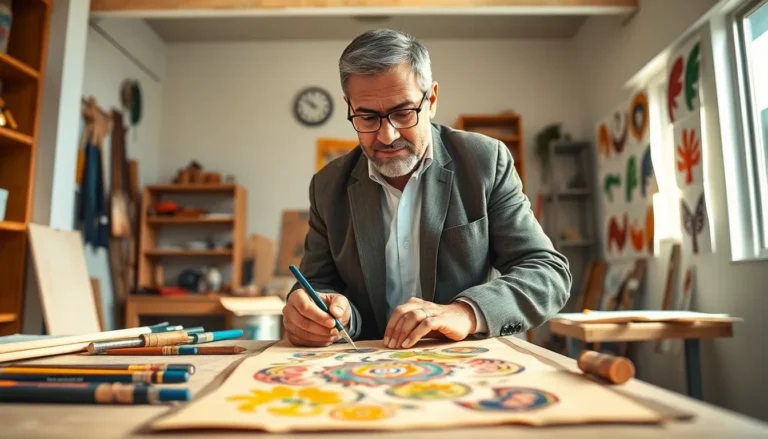
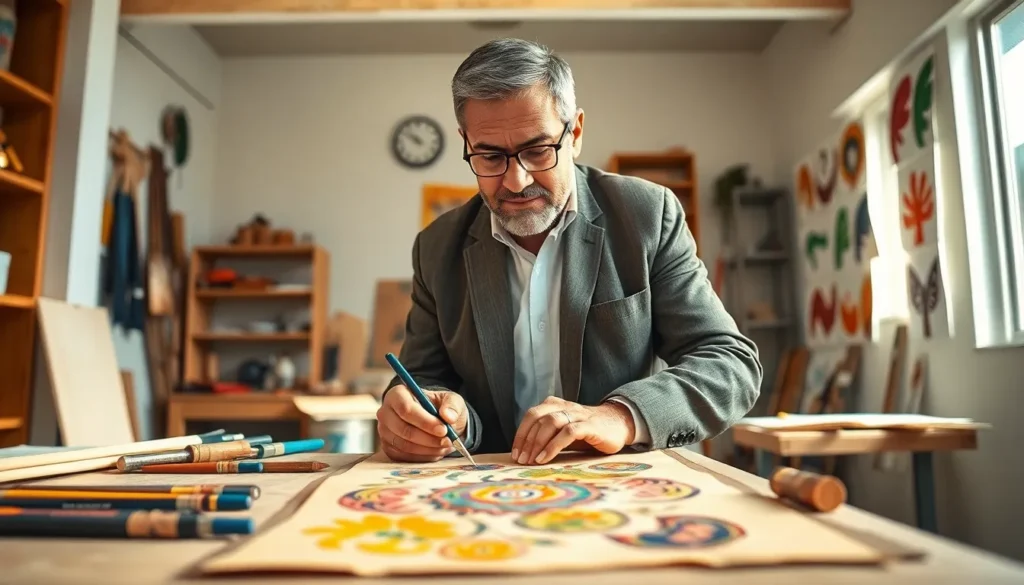
Creating amateirt involves several steps. First, artisans gather natural materials, usually from trees. They prepare the bark by soaking it, then flattening and drying it. Once the surface is ready, artists sketch their designs. Next, they use natural pigments to paint. This process can take considerable time, as details are applied meticulously. Finally, the artwork is finished by sealing it, ensuring its longevity.
Amateirt in Modern Society
In modern society, amateirt continues to thrive. Artisans showcase their work in galleries and markets, attracting both locals and tourists. Many people appreciate the craftsmanship and cultural stories behind amateirt. Also, contemporary artists blend traditional methods with modern themes, creating new expressions of this art form. Social media platforms also help promote amateirt, reaching wider audiences around the world.